Sancton: transforming unused land into community woodland
In 2025, a local councillor approached Humber Forest to look at an area of unused land behind homes in the village of Sancton.
The site included a neglected allotment and a former playing field that had become overgrown. Over time it had become an eyesore, with problems including fly tipping and broken structures. The area was also attracting antisocial behaviour and dog fouling.
The land had previously been considered for housing development, but the local infrastructure couldn’t support new housing, so the land remained unused and continued to deteriorate.
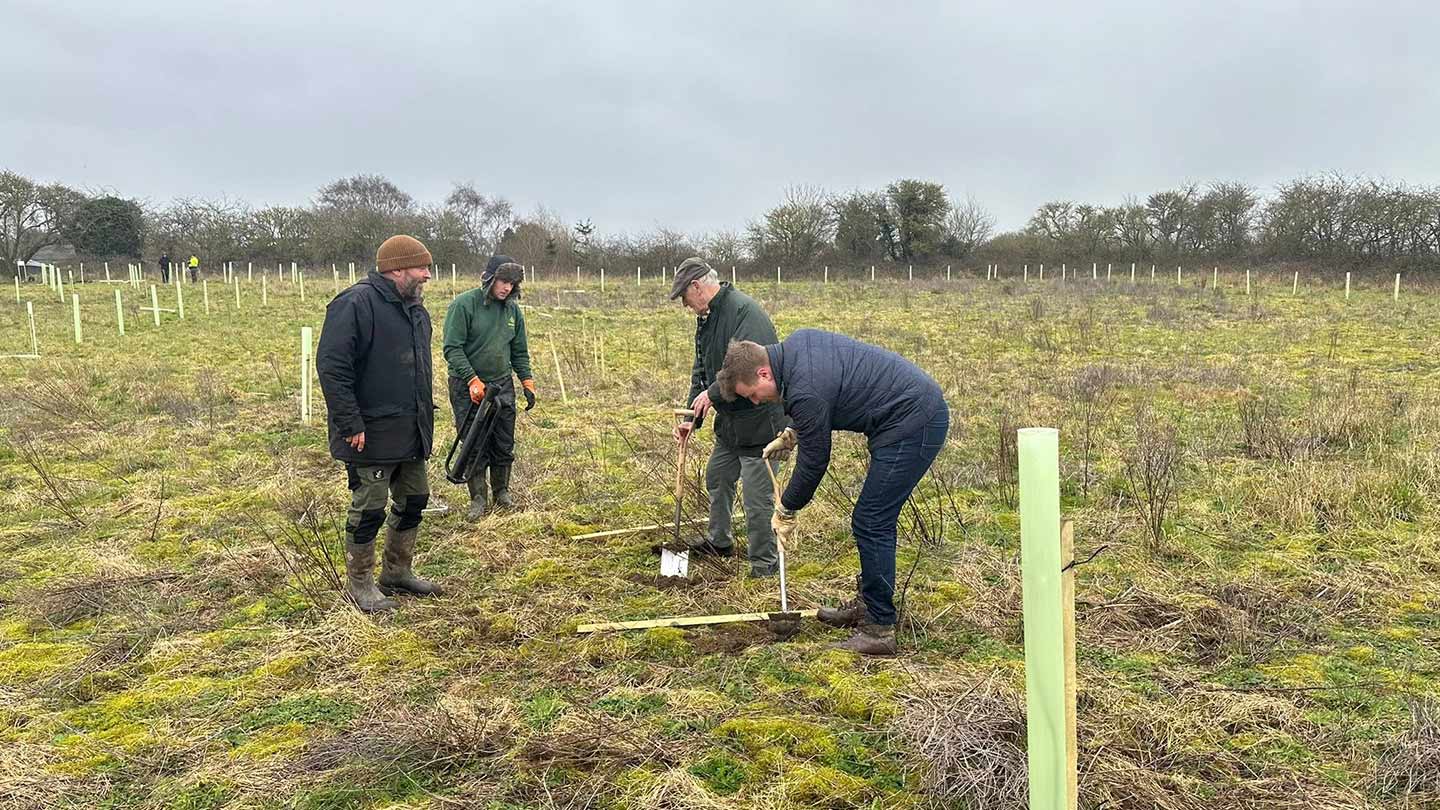
Local residents' ideas and concerns helped shape the project, with low-growing trees planted to maintain views. Credit: Humber Forest.
Shaped by the community
Community involvement was key to shaping the project from the start. Humber Forest worked with the parish council and local councillors to hold a public consultation, giving residents the chance to share their ideas and concerns.
The local community wanted to keep the views across the Wolds and shared their knowledge about the wildlife living nearby, including hedgehogs living in the surrounding hawthorn hedgerows.
Taking all of this into account, the team has created a woodland layout that includes pathways, glades and lower-growing tree species to maintain open sightlines across the landscape. There’s also dense shrub planting – including dogwood and hazel – to provide shelter and food for wildlife. And open areas allow meadow and long-grass habitats to develop over time, attracting pollinators and other species.
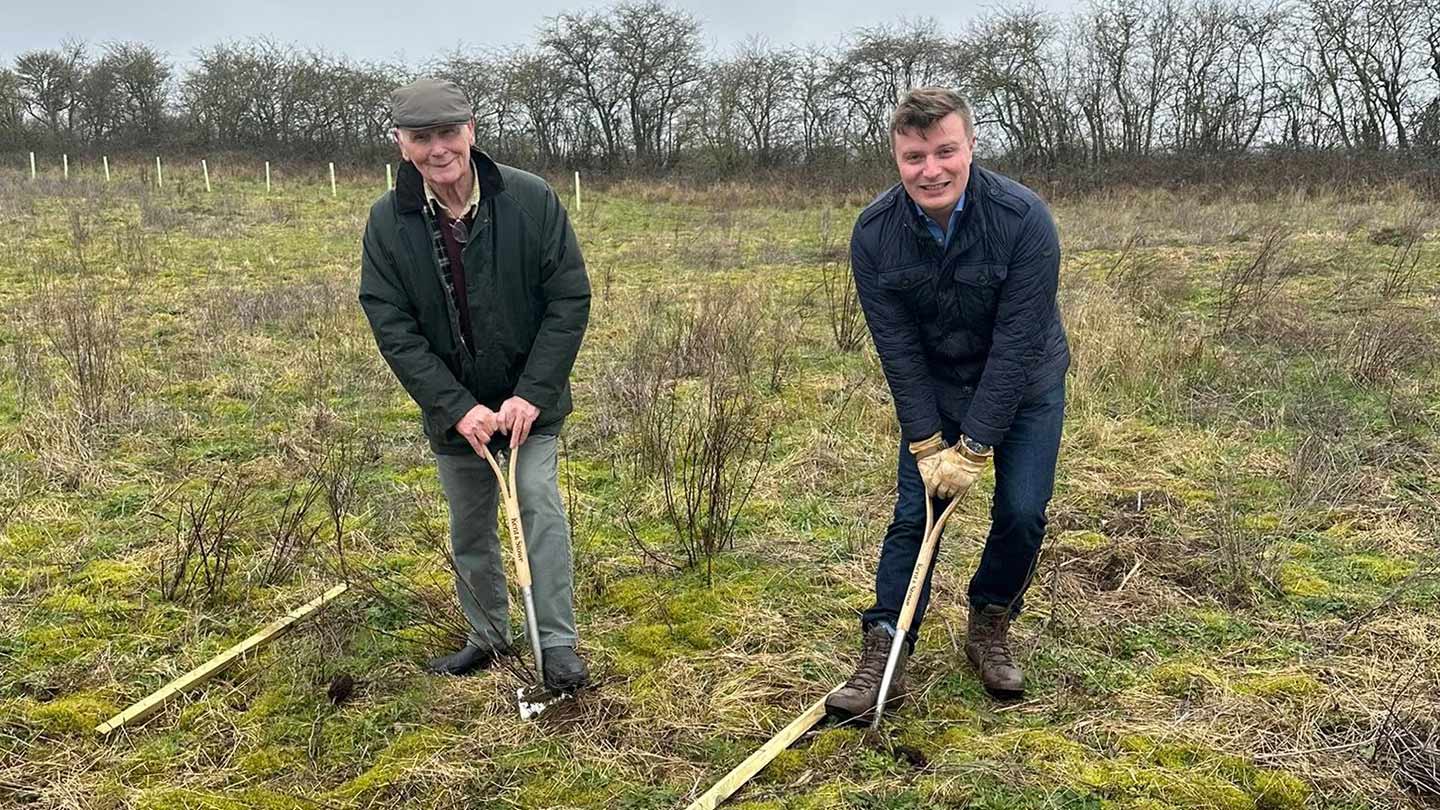
A community planting day gave locals the chance to get stuck in with tree planting. Credit: Humber Forest.
A community planting day
The community were not only involved in shaping the design – they also helped to bring the project to life. Humber Forest and Rewilding Youth organised a community planting day, so that everyone could get involved in creating their new woodland.
These community events were held in partnership with East Riding Council, and also received support from the Siemens Wind Farm Fund, which is specific funding set aside for local communities in areas near wind farms.
Alongside planting trees, there was also music, bushcraft and nature-based activities designed to help people connect with the landscape around them.
A new woodland for people and wildlife
The finished project covers 0.38 hectares and includes 540 young trees. A diverse mix of species provide year-round interest and habitat, including dog rose, silver birch, sessile oak, rowan, hazel, field maple, sweet chestnut and Scots pine.
What was once an overlooked and neglected site is now a brilliant community woodland – shaped by local people and benefiting nature and the community.
Be part of the Northern Forest
Want to plant trees? Whether you’re creating new woodland or extending an existing site, you can reap a whole host of extra benefits.
- Boost biodiversity.
- Provide shelter.
- Protect your soil.
- Fight flooding.
Your new trees could be part of the Northern Forest and make a difference for people, wildlife and the environment in the North of England.
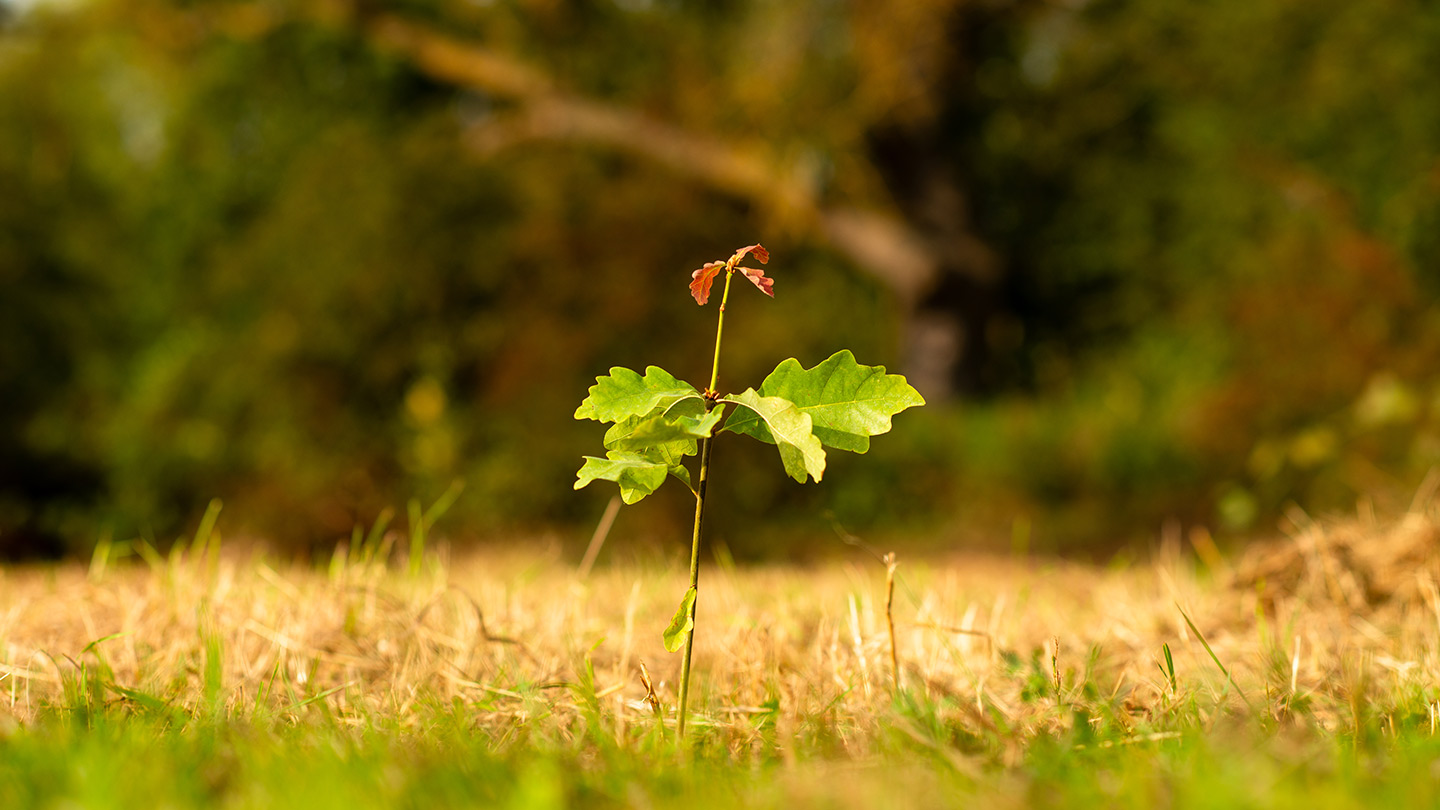
Credit: Phil Formby / WTML
Get started today
Speak to an expert adviser from any Northern Forest partner for no obligation advice and support.