Supporting animal health: ambitious agroforestry at Telfit Farm
Telfit Farm is a 650-acre upland farm just outside the Yorkshire Dales National Park, owned by Lucy and Oliver Leatham and their son Ben since 2016. The family farms Belted Galloway cattle, Middle White pigs, and Herdwick sheep, while Ben also manages eatTelfit, an online marketplace for high quality, ethical, local produce.
Over recent years, Telfit Farm has embraced regenerative agricultural principles to improve soil health and water retention, maximise biodiversity and carbon sequestration, and produce top-quality food. The family is committed to restoring habitat and have already planted a traditional orchard with 325 apple trees, established and restored wood pasture and meadow creation, and created wildlife ponds.
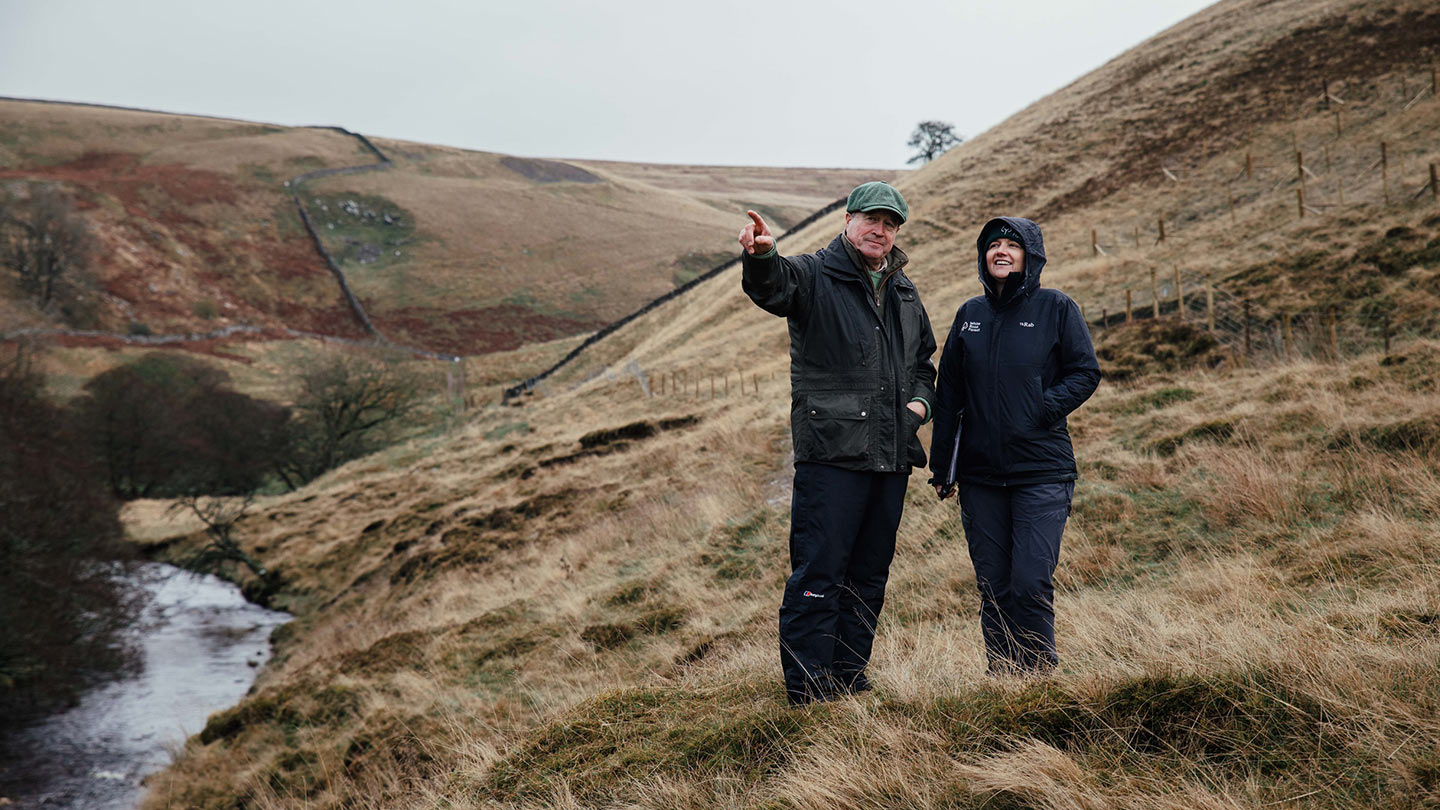
The White Rose Forest team worked closely with Telfit Farm through the design, planning and planting stages. Credit: White Rose Forest.
A multi-year project
With guidance and funding from the White Rose Forest via their Trees for Climate programme, Telfit Farm launched an ambitious agroforestry scheme in 2024. The project included seven hectares of riparian woodland, 20 hectares of new wood pasture, and 34 hectares subdivided with hedgerows and woodland strips to create a mob grazing system.
The project has continued through 2025 and 2026 with more new and restored hedgerows, nine hectares of wood pasture, and two hectares of native woodland. There have also been improvements to access, footpaths, and bridleways.
The White Rose Forest team worked closely with the Leatham family to design the planting, offering planning and planting support throughout the project. Most project costs – including fencing and gates – were covered by the Trees for Climate programme.
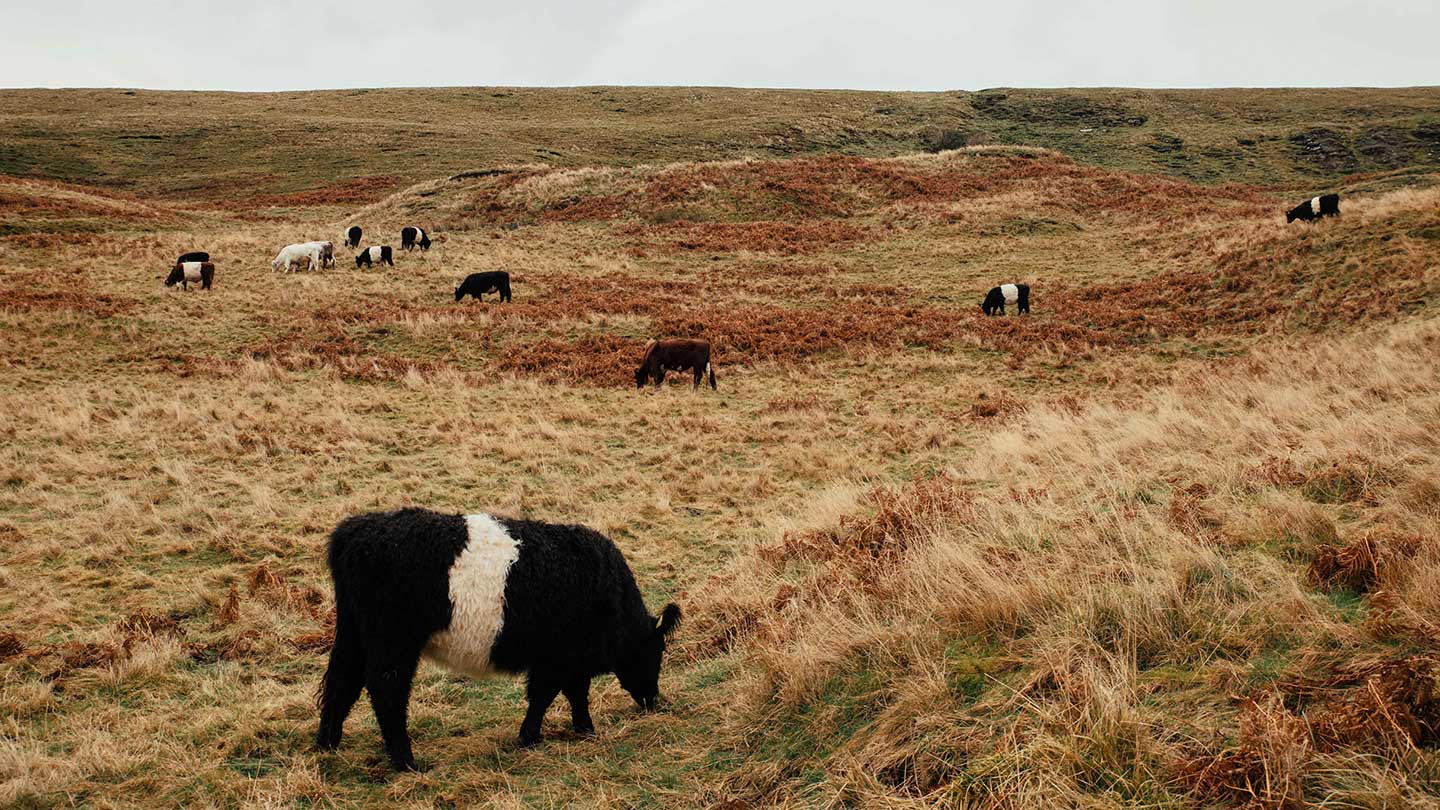
The planting was designed to benefit livestock and the landscape. Credit: White Rose Forest.
Trees, hedgerows and healthy animals
To date, almost 70,000 trees have been planted at Telfit, alongside 4km of new native hedgerows. Existing hedgerows have also been reinstated and 35ha of traditionally laid herbal leys have been sown. Trees were selected not only for ecological and site suitability but also to provide minerals that support animal health.
The benefits of this are:
- increased biodiversity and habitat creation
- improved livestock nutrition, health and welfare
- reduced reliance on imported feed and supplements
- natural flood management and improved water storage
- enhanced soil health and carbon sequestration
- reduced livestock mortality, illness and vet costs.
Sustainable farming for the long term
Oliver Leatham explains: “The agroforestry project here at Telfit is a key part of our move to regenerative farming. We’re stepping up a gear with efforts to improve our soils, reduce chemical inputs and manage our water better. Quality is everything for us – and by providing a wider source of diversified forage, by creating more habitats and better shelter on the farm, as well as what we’re doing with soil and water, we are convinced this will improve our land and ensure our business is sustainable for the long term.”
Be part of the Northern Forest
Want to plant trees? Whether you’re creating new woodland or extending an existing site, you can reap a whole host of extra benefits.
- Boost biodiversity.
- Provide shelter.
- Protect your soil.
- Fight flooding.
Your new trees could be part of the Northern Forest and make a difference for people, wildlife and the environment in the North of England.
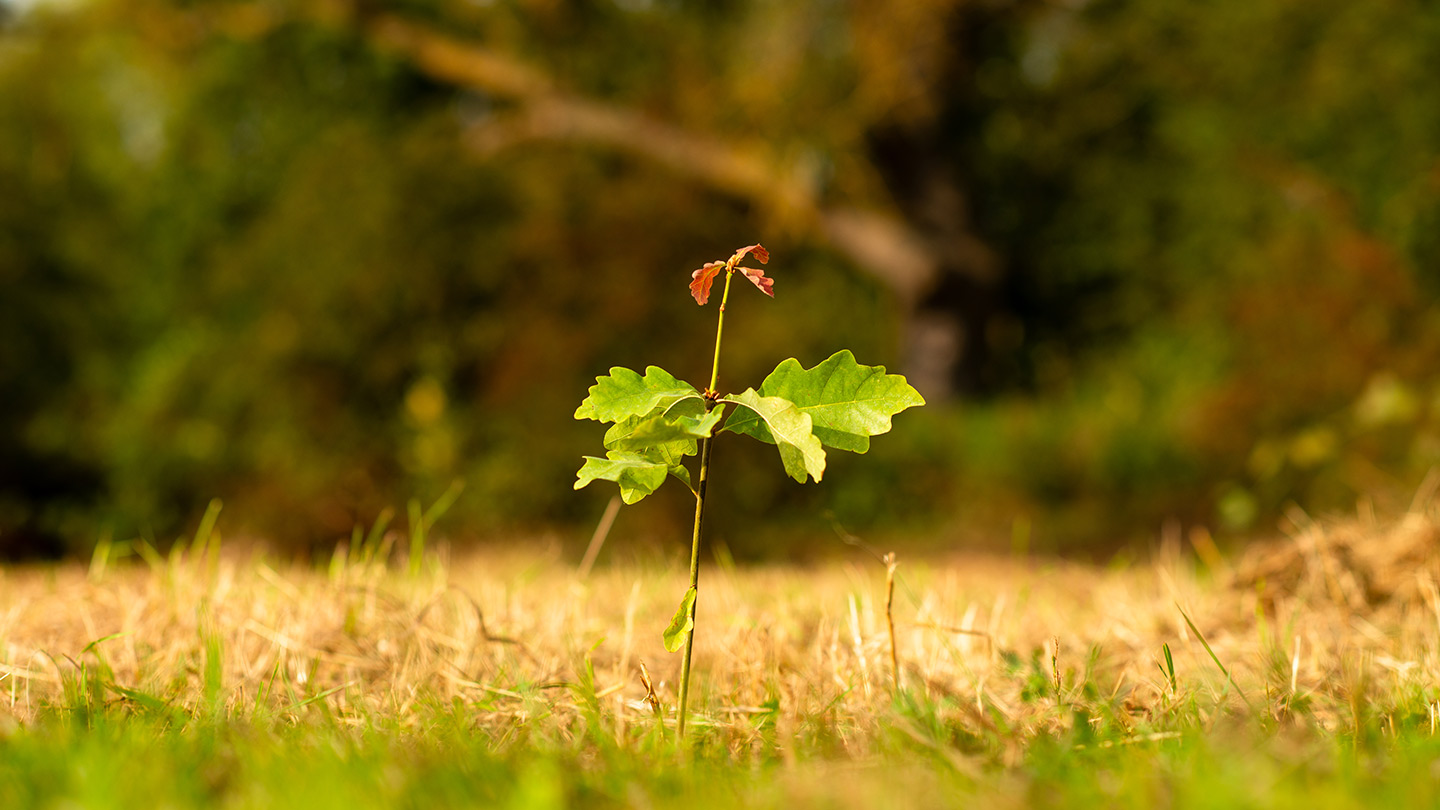
Credit: Phil Formby / WTML
Get started today
Speak to an expert adviser from any Northern Forest partner for no obligation advice and support.